邪修
图片展示 IMAGES
释义 DEFINITION
邪修,这词儿现在可火了。说白了,就是不走寻常路的野路子生存智慧。
它原本是修仙小说里反派干的事,比如无量仙翁那种,专门走歪门邪道快速升级 [citation:2]。但传到咱们打工人、学生党手里,这词儿直接来了个180度大转弯,变成了一个略带调侃和自嘲的褒义词。
现在的“邪修”主要指:
- 做饭邪修:用电饭煲做麻辣烫,或者用养乐多做叉烧。主打一个“看着离谱,吃着真香”,把厨房正统派气得直跺脚 [citation:1]。
- 职场邪修:拒绝升职,拒绝画饼。口号是“只要你不想当领导,就没人是你的领导”,主打一个精神解脱,追求时薪最大化 [citation:1]。
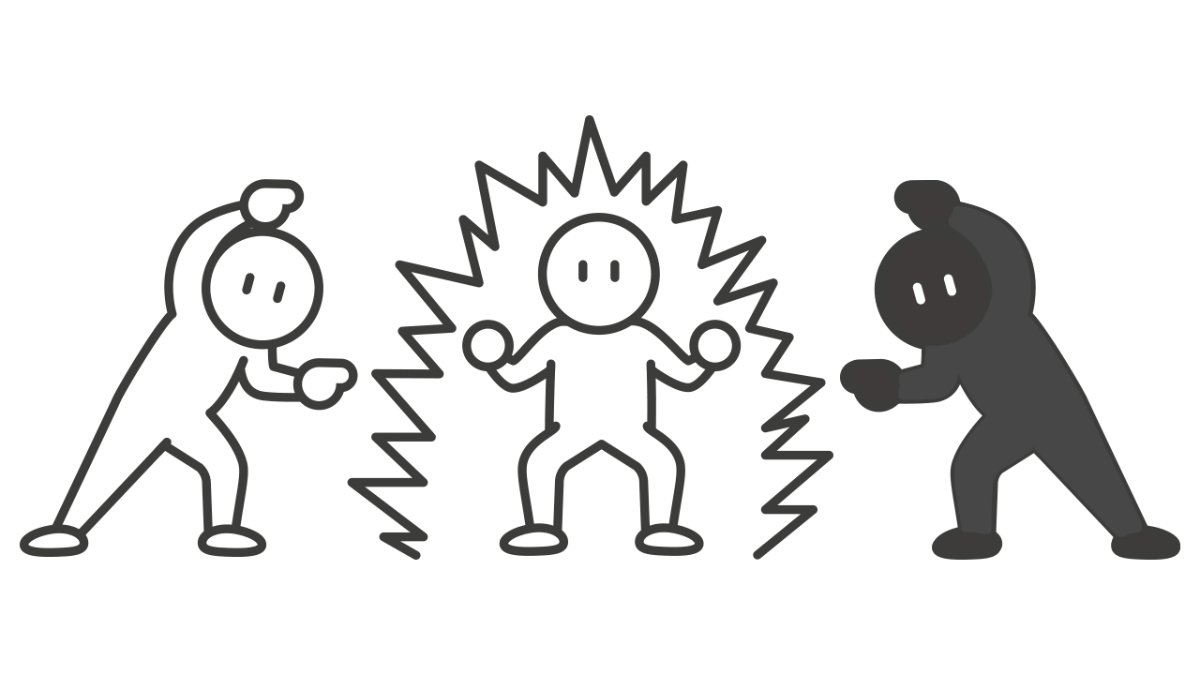
- 健身邪修:想象自己是奥特曼,用胸口发射激光来矫正驼背 [citation:1]。
- 时尚邪修:为了抵制又贵又紧的“粉红税”,直接冲进童装区买最大码,或者穿男装,主打一个舒适和性价比 [citation:1]。
所以,现在的“邪修”就是指那些看似离经叛道、甚至有点搞笑,但实际上能高效解决问题、让生活更爽的方法。它不是躺平,也不是内卷,而是年轻人在高压生活下找到的“第三条路”。
词源故事 ETYMOLOGY
要说这“邪修”怎么就从仙侠小说里的反派专用词,摇身一变成了现在的互联网顶流,这事儿本身就挺“邪修”的。
故事得从修仙网文说起。在那些动不动就毁天灭地的世界里,修炼分两种:一种是名门正派,讲究根正苗红、一步一步稳扎稳打,虽然慢但胜在安全;另一种就是“邪修”,比如《笑傲江湖》里急着练辟邪剑谱的岳不群,或者《哪吒》里把妖怪当药材炼的无量仙翁,他们为了速成,什么损招都使,虽然快,但容易走火入魔,是被江湖正道唾弃的对象 [citation:2][citation:5]。
这词儿出圈,还得感谢万能的小红书和抖音网友。大概在2025年左右,一群被传统烹饪教程逼疯的“手残党”开始整活。看着视频里大厨们行云流水地颠勺、炒糖色,再看看自己黑暗的厨房和糊了的锅,他们陷入了沉思:有没有一种办法,能绕过这些繁琐的步骤,直接吃到嘴里?
于是,第一波“做饭邪修”诞生了。有人发现,想做糖醋排骨,根本不用炒糖色,倒一杯“棒打鲜橙”饮料进去乱炖40分钟,味道居然一模一样;想吃奶油意面?不用熬奶油,直接拿一根冰淇淋雪糕融化了一拌,妥妥的米其林平替 [citation:2]。这些帖子一发,瞬间引爆网络。评论区全是“???”,然后紧接着就是“学到了!”。大家突然发现,这种“离经叛道”的做法,虽然看起来像在做法,但核心是极致的实用主义——用最短的时间、最低的成本,解决吃饭问题 [citation:5]。
这股“邪风”很快从厨房刮遍了全网。职场人首先响应,搞出了“职场邪修”。面对领导的画饼和无休止的加班,年轻人算了一笔账:升职加薪那点钱,还不够弥补多出来的责任和脱发的损失。于是他们选择拒绝晋升,甚至研究“摸鱼学”,主打一个“只要我不想当领导,就没人是我的领导”,以此夺回对生活的掌控感 [citation:1][citation:5]。健身博主也来凑热闹,让你想象自己是奥特曼,用胸口的激光去矫正驼背,虽然中二,但肌肉记忆就这么形成了 [citation:1]。时尚圈更是重灾区,受够了女装又紧又小的“粉红税”,大姑娘们直接冲进童装区买最大码,或者直接穿起男人的大裤衩,就图个舒服自在 [citation:1]。
“邪修”的流行,其实反映了当代年轻人一种很微妙的心态。这不是彻底的“躺平”,也不是痛苦的“内卷”,而是在这两者之间找到的一条充满“活人感”的中间道路 [citation:1]。它是对标准化人生的一种戏谑反抗——既然按部就班太累、太贵、太无聊,那我就自己发明一套规则。这种“邪修”式的生活哲学,本质上是一种充满创造力的“野生智慧” [citation:9]。就像网友总结的:“正道苦修十年,不如邪修灵机一动。” [citation:1]
当然,“邪修”也有翻车的时候,比如用奇怪食材做饭导致拉肚子。但信徒们不在乎,对他们来说,过程比结果更重要,这种带着黑色幽默的尝试,本身就是一种对压力的消解 [citation:4]。
中文例句:
- “懒得开火炒菜了,今天直接来个邪修做饭,把剩菜和米饭一起扔进电饭煲,出锅就是香喷喷的煲仔饭!”
- “老板想给我升职,我赶紧拒绝了,开始我的职场邪修之路。毕竟,时薪才是打工人最该关心的KPI。”
DEFINITION
Xiexiu, a term that's blowing up on Chinese social media, basically means embracing unorthodox, "rebel" wisdom to get through life.
Originally, this was a hardcore term from xianxia (cultivation fantasy) novels, referring to villains who use forbidden, evil techniques to gain power quickly—think dark wizards or Sith Lords [citation:2]. But Gen Z in China has completely flipped the script. Now, it's a humorous, self-deprecating way to describe clever shortcuts that defy tradition but actually work.
Here’s how "xiexiu" is used in the wild:
- Kitchen Hacks: Making instant pot hot pot or using Yakult (a probiotic drink) to tenderize BBQ pork. It's cooking that would make a chef cry, but the results are surprisingly tasty [citation:1].
- Workplace Rebellion: Actively refusing promotions. The logic? "If you don't want to be the boss, no one can be your boss." It's about prioritizing mental health and hourly wage over a stressful managerial title [citation:1].
- Fitness Cheats: Fixing your posture by pretending you're Ultraman shooting a laser beam from your chest [citation:1].
- Fashion Hacks: Women buying clothes from the kids' section or men's department to avoid the "pink tax"—where women's clothes are more expensive, tighter, and less practical [citation:1].
In short, xiexiu is about finding life hacks that are delightfully cursed. It’s not about lying flat and giving up, nor is it about burning out. It’s the "third way" for young people to reclaim a sense of control and fun in a stressful, by-the-book world.
ETYMOLOGY
How did Xiexiu, a term straight out of Chinese fantasy novels for demonic cultivators, become the go-to slang for Gen Z life hacks? The story itself is pretty "xiexiu."
Let's rewind to the world of xianxia literature. In these stories, there are two paths to power: the orthodox way, which is slow, steady, and morally upright; and the heretical way, used by villains who take shortcuts—like learning a forbidden technique to get instant power, but at the risk of losing their soul [citation:2][citation:5]. That's the original "xiexiu."
The term's wild rebirth started around 2025 on lifestyle platforms like Xiaohongshu (Little Red Book). A bunch of self-deprecating "kitchen-handicapped" users were fed up with traditional cooking videos. They watched master chefs gracefully control woks and caramelize sugar, then looked at their own burnt pans and thought: Isn't there a faster, lazier way to get food on the table?
Thus, the first wave of "kitchen xiexiu" was born. Someone discovered you could make sweet and sour pork ribs without the tricky caramelization step—just dump in a bottle of "Lemon Bang Bang" juice and stew it. Another person made creamy pasta by melting an ice cream bar over noodles instead of making a complicated béchamel sauce [citation:2]. The internet lost its mind. Comments sections exploded with confusion ("Are you a wizard?") followed by immediate respect ("...I'm trying this tonight"). What seemed like culinary blasphemy was actually radical pragmatism: get the job done with minimal effort and cost [citation:5].
This "heretical" energy spread like wildfire. The workplace was next. Dubbed "office xiexiu," young employees started doing the math on promotions. More money? Maybe. Triple the stress, endless meetings, and the soul-crushing task of managing people? Definitely. Their solution? Actively refuse promotions. The mantra became: "If you don't want to be the boss, no one can be your boss." It was a way to reclaim agency over their time and mental health [citation:1][citation:5]. Fitness influencers got in on it, suggesting you fix your posture by pretending to be Ultraman shooting a laser from your chest to straighten your back. Cringey? Yes. Surprisingly effective? Also yes [citation:1]. Even fashion joined the movement. Tired of the "pink tax"—where women's clothing is more expensive, tighter, and has useless tiny pockets—women started buying clothes from the kids' or men's sections for better quality, comfort, and actual utility [citation:1].
Why did "xiexiu" resonate so deeply? It’s not about "lying flat" and giving up, nor is it about "involution" and burning out. It’s the "third way"—a creative middle ground full of what Chinese netizens call "living person energy" [citation:1]. It’s a playful rebellion against the rigid, expensive, and exhausting template of modern life. As one popular comment put it: "Ten years of orthodox suffering is nothing compared to one moment of heretical inspiration." [citation:1]
Of course, xiexiu isn't always a success. Some kitchen experiments end in stomach aches [citation:4]. But for its followers, the process is the point. This darkly humorous, creative tinkering is a way to relieve pressure and feel in control when the world feels chaotic. It's the "cursed technique" that just might save your sanity.
Chinese Examples:
- “Too lazy to cook properly today, going full xiexiu mode. Threw leftover veggies and rice into the rice cooker, and boom—instant delicious clay pot rice!”
- “My boss tried to promote me and I noped out of there. Starting my xiexiu journey at work. Hourly wage is the only KPI that matters.”